




Fleet 101: A Guide to Vehicle Classes and Uses
7 Tips to Reduce Fleet Fuel Costs in 2024
Let's take a closer look at seven practical tips to help fleet managers achieve fuel efficiency in 2024.
by Brandon Ward, Fuel Logic
January 22, 2024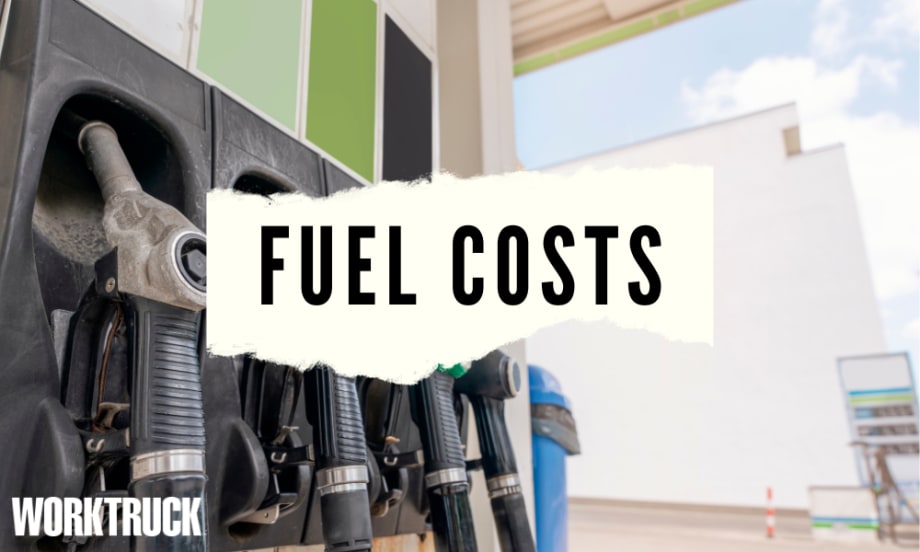
Top seven ways to save on fuel costs in 2024.
Photo: Work Truck
4 min to read
In a recent study from ATRI, it was revealed that the total operational expenses for carriers surged to $2.251 per mile. The primary contributor to this increase was the substantial rise in fuel costs, which witnessed a significant uptick of 53.7% compared to the previous year, as detailed in an update to one of the research group's prominent annual reports.
When it comes to fleet management, controlling fuel costs remains a perpetual challenge for vocational Class 1-8 truck, van, and SUV fleets. Ranging from smaller fleets with 10 vehicles to expansive operations with tens of thousands, efficient management of fuel is not only a financial necessity but also a critical factor in contributing to overall business success.
In this comprehensive guide, we’ll take a closer look at seven practical tips to help fleet managers achieve fuel efficiency in 2024.
Embrace Fuel-Efficient Vehicles
Upgrading your fleet to vehicles with improved fuel efficiency ratings is a fundamental step toward reducing fuel costs. In addition to traditional fuel-efficient models, exploring alternative fuel options such as hybrid or electric vehicles can bring about substantial savings over time.
This not only aligns with economic interests but also contributes to a more sustainable and environmentally friendly fleet.
Regular Vehicle Maintenance
Implementing a proactive maintenance schedule is important in ensuring that vehicles operate at peak efficiency. Routine checks and timely replacements of air filters, spark plugs, and fuel injectors contribute to optimal fuel combustion.
Addressing maintenance issues promptly not only prevents disruptions to daily operations but also reduces the risk of small problems escalating into major repairs that can drain fuel efficiency.
Invest in Telematics Technology
Telematics systems have become indispensable tools for fleet managers seeking to monitor and optimize driving behavior.
These systems track various metrics, including idling times, speeding events, and inefficient routes. With this data, fleet managers can identify areas for improvement and provide drivers with targeted feedback and training to foster fuel-conscious habits, leading to tangible fuel savings.
Strategic Route Planning
The advent of advanced route planning tools has revolutionized how fleets can optimize delivery routes. When they consider factors such as traffic patterns, road conditions, and the most fuel-efficient paths, fleet managers can significantly reduce unnecessary mileage.
Minimizing empty or partially loaded return trips not only maximizes cargo capacity but also contributes to overall fuel efficiency, a critical consideration in the quest to control fuel costs.
Driver Training and Engagement
Setting up detailed training programs is important to teach drivers how to drive in a way that saves fuel. Encouraging drivers to avoid aggressive behaviors, such as rapid acceleration and harsh braking, not only promotes safety but also directly impacts fuel efficiency.
Fostering a culture of fuel consciousness through incentives and recognition for drivers who consistently achieve high fuel efficiency levels can create a positive feedback loop that benefits both the drivers and the fleet's bottom line.
Regularly Review and Adjust Fuel Policies
Staying updated on changes in fuel prices is essential for fleet managers looking to maintain cost-effectiveness. Regularly reviewing and adjusting fuel policies in response to fluctuations in fuel prices can ensure that your fleet remains adaptive and responsive to market conditions.
Consider implementing fuel-efficient driving incentives or penalties to motivate drivers further and align their behaviors with the fleet's financial objectives. Exploring fuel card programs that offer discounts and rewards for fuel-efficient behavior can also contribute to overall cost savings.
Explore Alternative Fuels and Technologies
In the pursuit of long-term sustainability and cost reduction, fleets should investigate the feasibility of incorporating alternative fuels. Options such as biodiesel or compressed natural gas can present viable alternatives, offering potential economic and environmental benefits.
Staying informed about emerging technologies that could further improve fuel efficiency is crucial. Collaborating with industry experts and associations to stay ahead of the curve in adopting sustainable fuel solutions positions fleets at the forefront of innovation.
Implementing fuel-efficient practices involves routine measures such as optimizing vehicle maintenance, choosing energy-efficient routes, and employing advanced technologies.
Regular maintenance checks, such as proper tire inflation and engine tuning, contribute significantly to fuel efficiency. Additionally, selecting routes that minimize idling time and reduce stop-and-go traffic helps conserve fuel.
As you start incorporating these seven smart strategies into your fleet management approach, you can proactively reduce fuel costs and contribute to the long-term sustainability of your operations. In addition, you could also contribute to a cleaner environment by reducing carbon emissions and minimizing their ecological footprint. Remember, if you are in the fleet management industry, staying informed, embracing technology, and promoting efficiency are key to success.
Subscribe to Our Newsletter
More Fuel

The Smart Way to Build a Mixed-Energy Fleet Isn’t About Picking a Side
Mixed-energy fleets aren’t about picking a winning fuel. Sarah Booth of WEX explains how vehicle data, duty cycles, charging strategy, and real-world costs can help fleets choose the right energy source for each job.
Read More →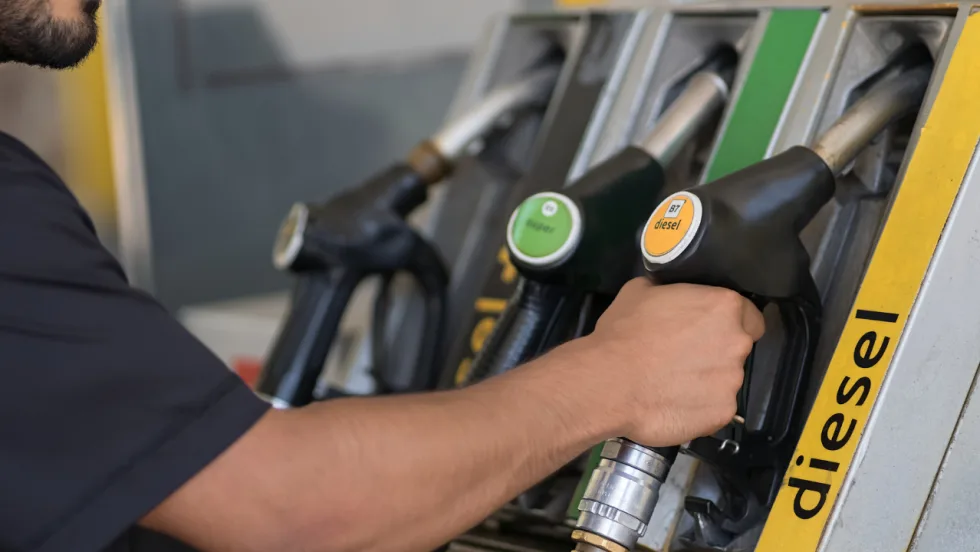
Ignoring This Dashboard Warning Could Cost Your Fleet Thousands in Fuel
New research suggests neglected diesel aftertreatment systems could waste up to $30 in fuel per vehicle each day. Here's why vocational fleets should pay attention.
Read More →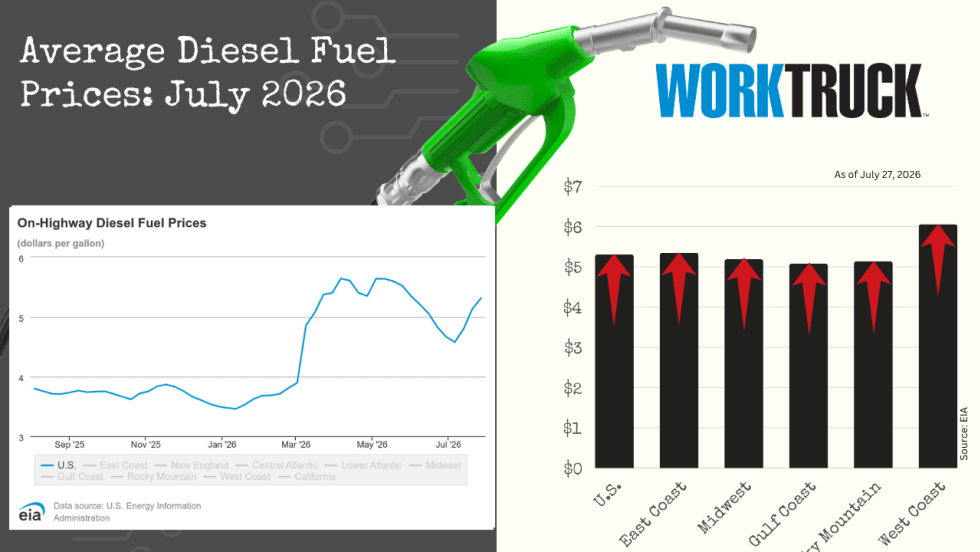
July Diesel Trends Update
The average price of a gallon of diesel increased again this week, and the EIA reported a new national average of $5.31 at the start of the week.
Read More →
WEX Brings Standard Fleet's Connected Vehicle Platform to Fleet Customers
This week’s product launch with Standard Fleet’s connected vehicle platform reflects WEX Venture Capital's strategy of turning startup innovation into customer solutions. Standard Fleet is now available to WEX fleet customers.
Read More →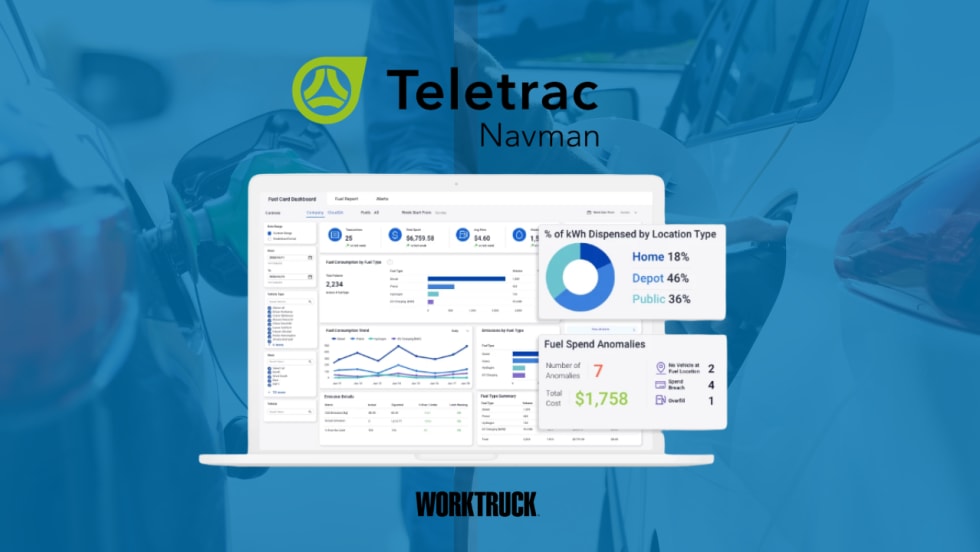
Teletrac Navman Adds Mixed-Energy Fleet Tools to TN360
The new Energy Hub combines fuel transactions, EV charging data, vehicle range, and energy costs in one dashboard for fleets operating multiple vehicle and energy types.
Read More →
WEX DriverDash adds CITGO, Expands Nationwide Access for Fleets
The DriverDash mobile payment app, by WEX, has been integrated into the CITGO merchant network, which means WEX has expanded its U.S. station footprint with the addition of approximately 4,000 CITGO locations.
Read More →
Mixed Energy Fleet Tips for Balancing EVs, Gas and Diesel Vehicles
Mixed energy fleets are becoming the new normal. Learn how fleet managers are balancing EVs, gas and diesel vehicles while controlling costs and planning for the future.
Read More →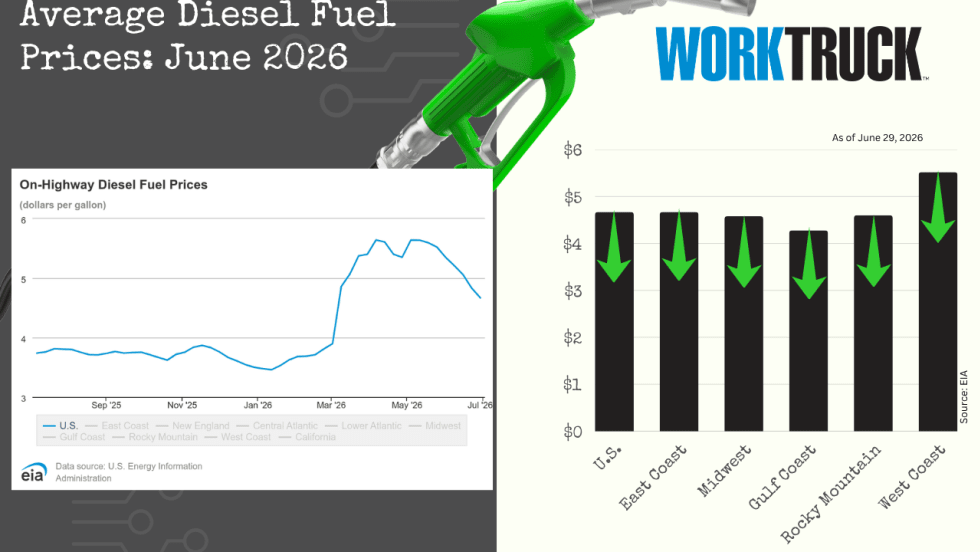
June Diesel Trends Update
The national average price of a gallon of diesel has dropped again, this week by more than 16 cents. All five regions reported lower average prices, ranging from almost 13 cents to more than 28 cents cheaper than a week ago.
Read More →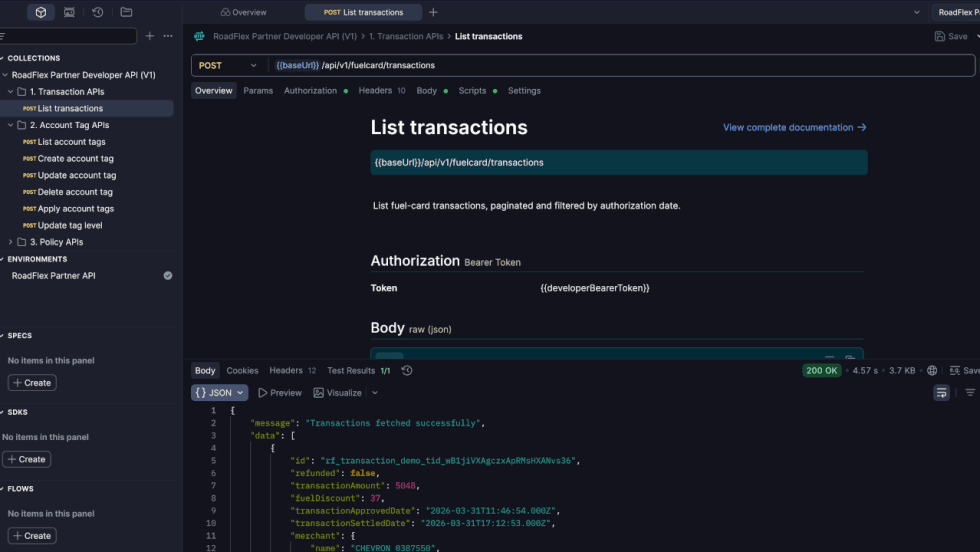
RoadFlex Launches RoadFlex Direct Open API Platform
RoadFlex Direct connects fuel cards, controls, and data to the telematics and fleet management systems fleets already run, from Geotab and Samsara to Fleetio and RTA, with no separate dashboard or double data entry.
Read More →
The Key to Fuel Efficiency Sits in the Cab
Learn how driver behavior, telematics, coaching, and fuel data can help fleets improve fuel efficiency, lower costs, and reduce emissions.
Read More →