




Delivery Businesses Cut Tons of Carbon Emissions With Route Optimization
More than 500 delivery businesses worldwide have collectively cut more than 11,000 tons of carbon emissions thanks to their adoption of route optimization technology, according to a recent report.


Route optimization technlogy has resulted in a reduction of 11,322 tons of greenhouse gas emissions in 2019 alone, the equivalent of planting more than 500,000 trees.
Photo: Pexels
More than 500 delivery businesses worldwide have collectively cut more than 11,000 tons of carbon emissions thanks to their adoption of route optimization technology, according to a report audited and verified by Offsetters Clean Technology.
The carbon emissions savings were released by Vancouver-based tech company Routific, and have been validated by a third-party environmental auditing team at Offsetters, a leading provider of sustainability and carbon-management solutions.
The report is the final step in the due diligence process for a $1.8 million grant awarded to Routific by Sustainable Development Technology Canada, a foundation created Canada's government to fund new clean technologies.
“Significant GHG benefits are realized with Routific’s technology,” said Simon Phillips, director of clean technology projects at Offsetters. “Their technology will help delivery companies across the globe create close to optimal delivery routes, which will reduce distance traveled, fuel costs, possibly the fleet size, and increase overall efficiency.”
Routific’s route optimization platform, inspired by the foraging behaviors of honey bees, uses advanced algorithms powered by artificial intelligence. The technology shortens delivery routes by an average of 20%, according to the company, lowering congestion in major urban areas, and helping delivery fleets reduce their fuel consumption and time spent on the road.
The result has been a reduction in 11,322 tons of greenhouse gas emissions in 2019 alone, the equivalent of planting more than 500,000 trees.
The World Economic Forum projects a 36% rise in the number of delivery vehicles in the top 100 cities globally by 2030. Researchers estimate emissions from last-mile delivery traffic will increase by nearly a third, and congestion will rise by over 21%. However, Routific surveyed 11,246 businesses and found that 72% of them are still manually planning the routes for their delivery drivers.
“Awareness is key. Every business needs to take our world’s climate seriously, for our future and to ensure the health and well-being of future generations,” said Routific Founder and CEO Marc Kuo. “Route optimization technology not only saves a business time, money, and fuel, it also drastically reduces a company’s carbon footprint. It’s win-win."
Additionally, in response to the current COVID-19 outbreak, Routific announced it will offer its service for free to any non-profit helping with COVID-19 efforts. Contact the company directly for questions.
More Sustainability
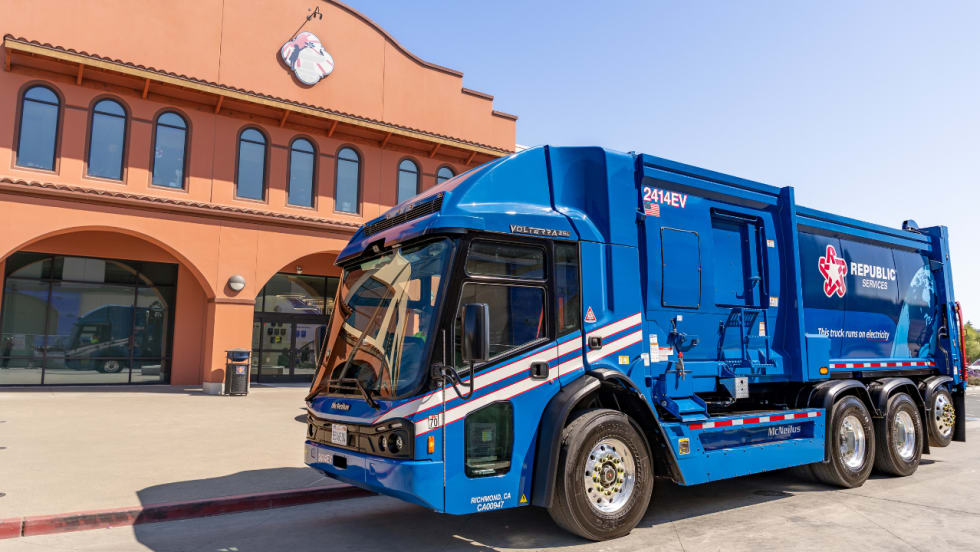
What Republic Services Learned Moving Electric Trucks Beyond the Pilot
With 250 electric refuse trucks now in service, Republic Services is learning that scaling a new powertrain depends as much on routes, drivers, technicians, and daily operations as it does on the truck itself.
Read More →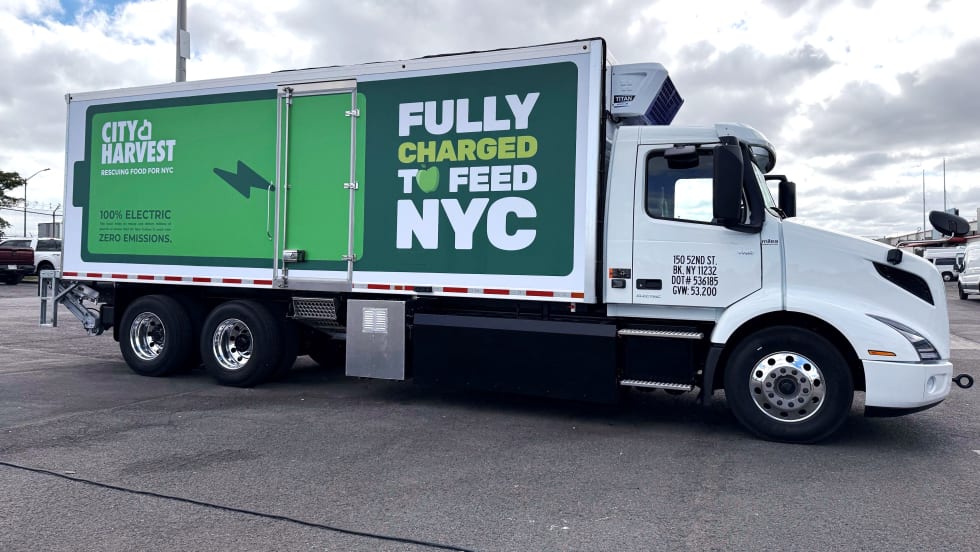
City Harvest Begins Using Volvo VNR Electric Trucks to Rescue Food Across New York City
Volvo Trucks North America and the Bronx Is Breathing project team handed over three new Volvo VNR Electric trucks to City Harvest, which will use the trucks to rescue and deliver food throughout the Bronx and across all five boroughs of New York.
Read More →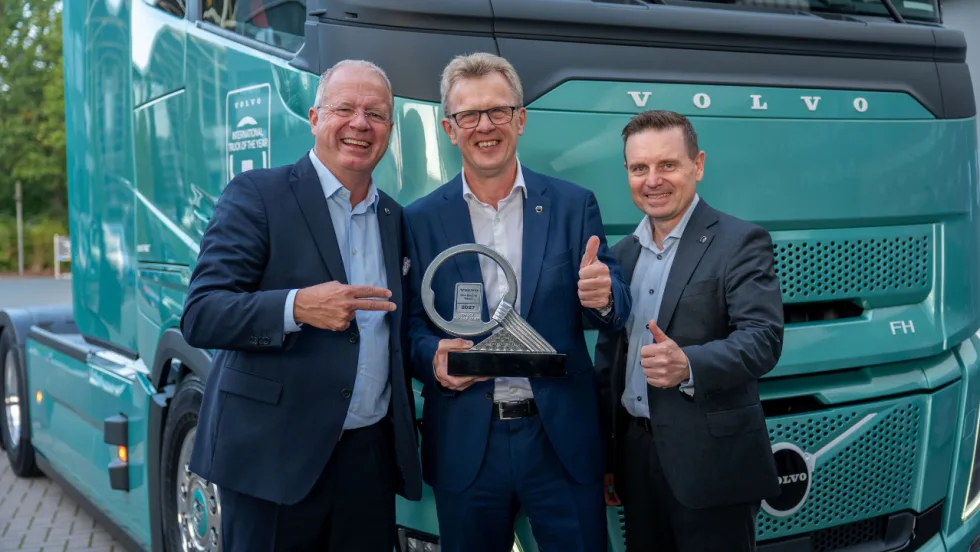
Volvo Trucks Wins International Truck of the Year 2027 for its Global Electric Range
Volvo Trucks' global heavy-duty electric range has been named International Truck of the Year 2027. Since 2019, more than 7,000 electric Volvo trucks have driven more than 310 million miles worldwide.
Read More →


Fleet Forward Conference Introduces One-Day Passes for 2026
New one-day registration gives fleet professionals the flexibility to attend Tuesday, Wednesday, or Thursday, with passes available for $199 through Sept. 18.
Read More →
CALSTART Rebrands as Catalyst Mobility, Will Combine with Forth in 2027
CALSTART has rebranded as Catalyst Mobility and will combine with Forth at the start of 2027. The new organization said it is poised to become one of the world's largest, strongest, and most impactful clean transportation nonprofits.
Read More →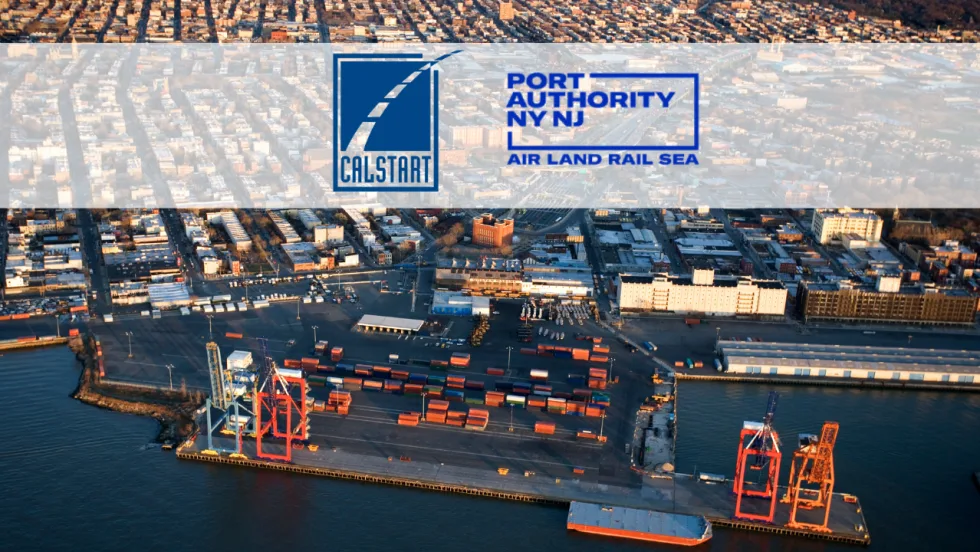
Electric Truck and Charging Programs to Boost Sustainability at NY & NJ Ports
Together, the Port Authority of New York and New Jersey and CALSTART will electrify drayage and terminal operations serving the East Coast’s busiest container port. A pair of incentive programs totaling $45 million has launched to accelerate adoption of zero-emission drayage trucks and terminal tractors.
Read More →
The Smart Way to Build a Mixed-Energy Fleet Isn’t About Picking a Side
Mixed-energy fleets aren’t about picking a winning fuel. Sarah Booth of WEX explains how vehicle data, duty cycles, charging strategy, and real-world costs can help fleets choose the right energy source for each job.
Read More →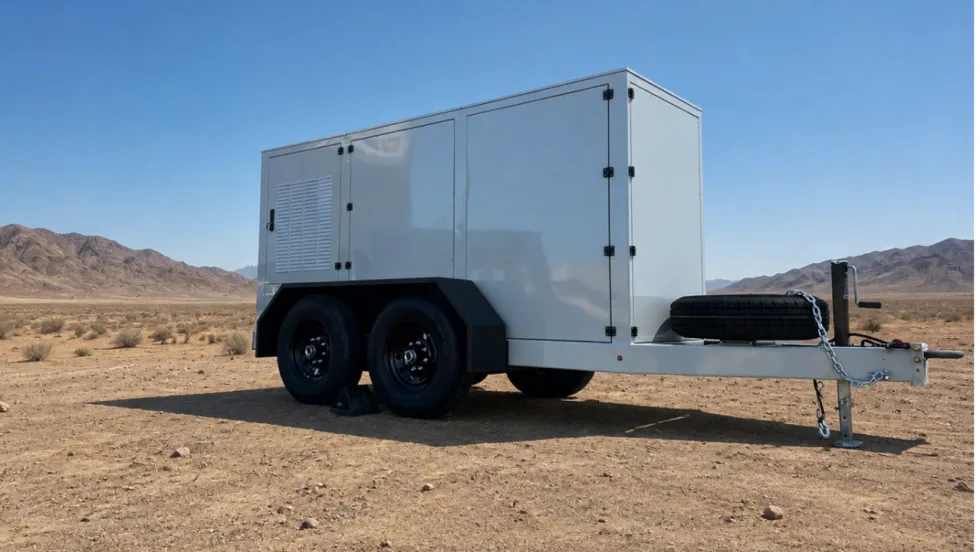
Xos Hub Surpasses One Gigawatt-Hour of Energy Delivered in the Field
A single Xos Hub has surpassed one gigawatt-hour of energy across more than 33,600 charging sessions in the field, demonstrating performance that supports Xos' expansion across new products and markets.
Read More →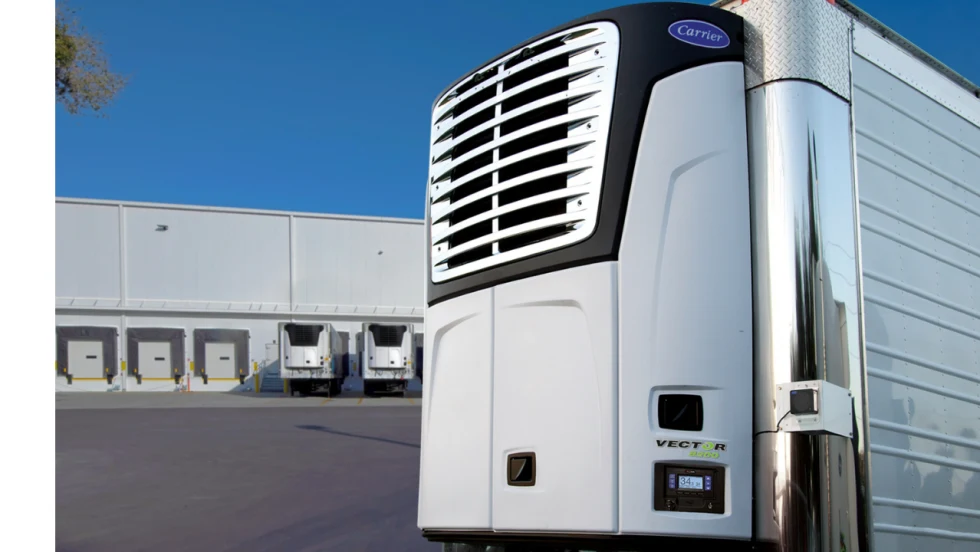
Carrier Transicold Launches All-Electric Vector 8200 TRU for Diesel-Free On-Site Cold Storage
Carrier Transicold’s first engineless multi-temperature TRU helps fresh- and frozen-food fleets add supplemental cold storage capacity during seasonal peaks.
Read More →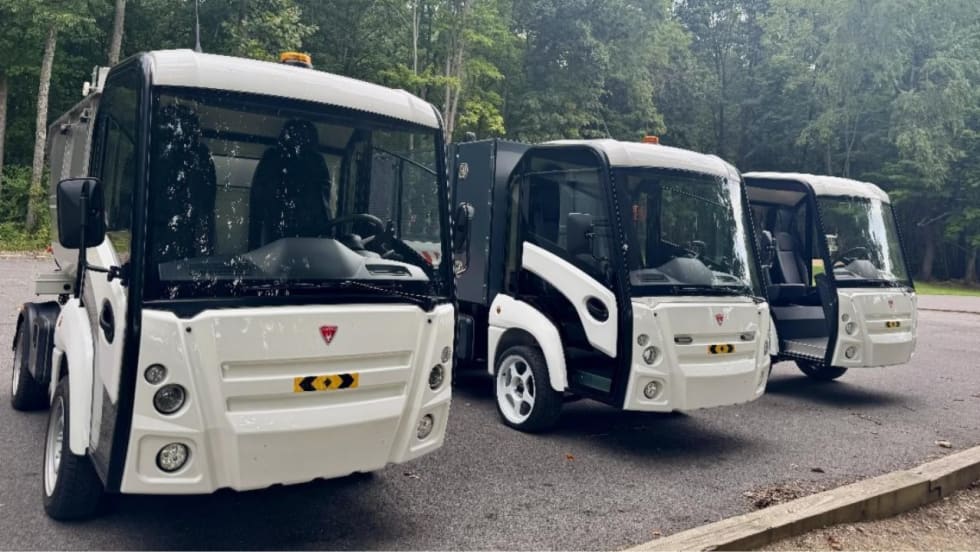
Narro Trucks Introduces Electric Utility Vehicle
Narro Trucks officially launched its operations on Aug. 20 and hosted a ride and drive to showcase its electric truck, which will be produced in Virginia.
Read More →